

A concrete batching plant automates the precise weighing, mixing, and production of concrete by combining cement, aggregates, water, and additives through controlled dosing systems and mechanical mixers. Suppliers like Block Machine Lontto provide stationary, mobile, and compact batching plant configurations in Chicago to accommodate various project scales, from large infrastructure developments requiring high-capacity fixed installations to urban sites needing portable solutions with smaller footprints. When selecting equipment, contractors should evaluate required production capacity, site space constraints, automation level, energy efficiency, and maintenance accessibility whilst ensuring regular calibration, cleaning, and operator training to maintain consistent concrete quality and minimise operational downtime.
Key Takeaways
- A concrete batching plant ensures efficient and consistent concrete mixing for construction projects of all sizes.
- Selecting the right concrete batching plant depends on project scope, required production capacity, and site constraints.
- Stationary, mobile, and compact batching plants offer flexibility for different construction needs, with reliable suppliers like Lontto supporting Chicago contractors.
- Advanced automation and user-friendly controls in a batching plant help reduce labor, control costs, and maintain quality standards.
- Regular maintenance and operator training are essential for maximizing batching plant efficiency and minimizing downtime.
What Is a Concrete Batching Plant?
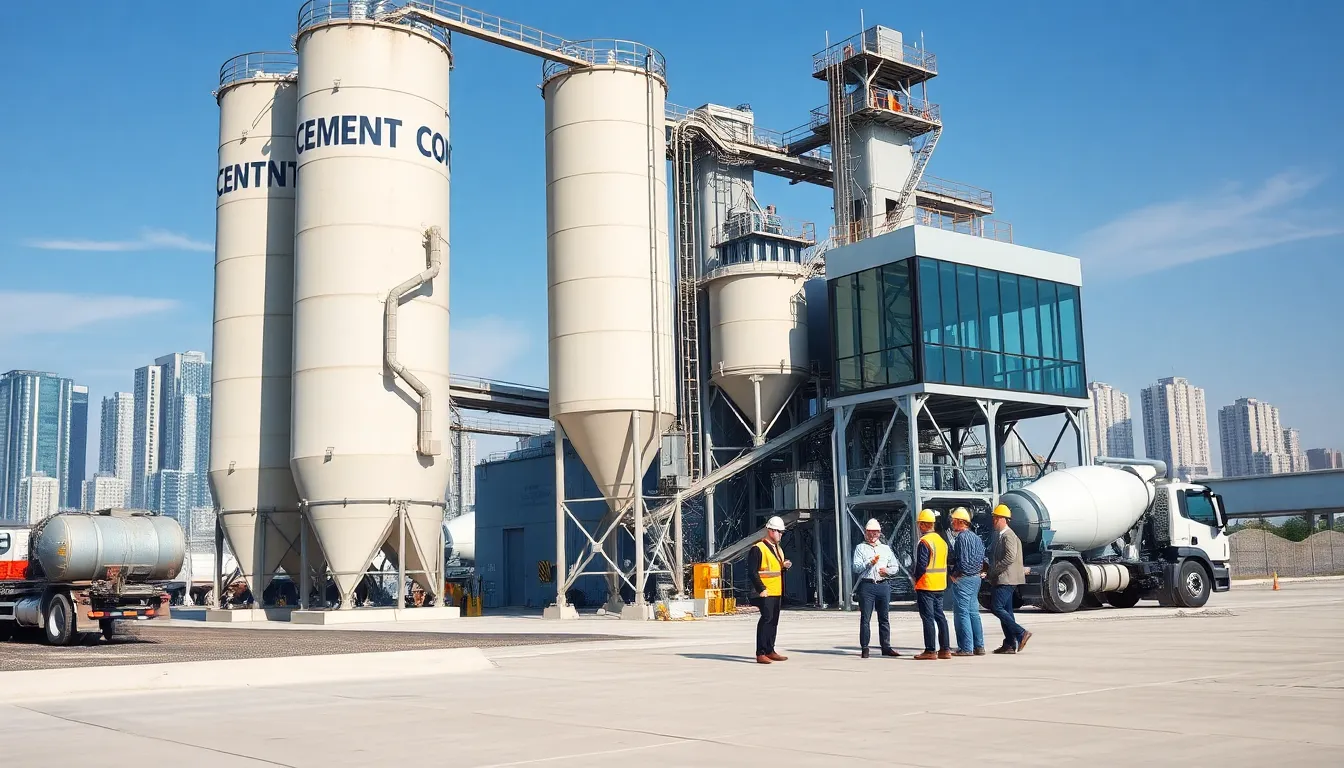
A concrete batching plant is a device used to combine sand, cement, aggregates (such as gravel or crushed stone), water, and additives to produce concrete with a consistent mix. The equipment automates batching, mixing, and sometimes even transporting the final product to the job site.
Batching plants are the backbone of concrete production for building projects, ranging from residential developments to infrastructure. Accurate batching ensures the quality and strength of concrete, which directly affects the durability of buildings and roads. Companies like Lontto in Chicago provide advanced batching solutions to meet high project standards, helping contractors save both time and material costs.
Types of Concrete Batching Plants
Concrete batching plants can be categorized by their design, mobility, and production capacity. Understanding these types is vital for selecting the right equipment for specific project needs.
Stationary Concrete Batching Plants
Stationary plants are fixed installations, ideal for long-term or large-scale projects. They offer high output and advanced automation features. Lontto offers stationary models in Chicago that are used for highway, bridge, and commercial developments where consistent large volumes are necessary.
Mobile Concrete Batching Plants
Mobile plants are designed for portability and quick setup, making them suitable for projects with short timeframes or multiple locations. They are mounted on trailers or compact frames and allow for easy relocation. Contractors in Chicago benefit from mobile solutions when they work across different sites or face limited installation space.
Compact and Precast Batching Plants
Compact batching plants are smaller units designed for space-constrained urban projects or businesses with moderate demand. Precast plants, on the other hand, are specialized for producing precast concrete elements such as blocks and beams. Lontto supplies both, ensuring clients have access to efficient batching for unique specifications.
Components and How They Work
A modern concrete batching plant comprises several key components, each responsible for a critical stage in the mixing process:
- Aggregate Bins: Store sand, gravel, and stone before weighing.
- Cement Silos: Hold cement and protect it from moisture.
- Conveyors and Feeders: Move materials from storage to the mixing area.
- Weighing Systems: Precisely measure each component to ensure the correct mix ratio.
- Mixers: Blend all ingredients thoroughly into uniform concrete. Mixers can be twin-shaft, planetary, or drum type depending on batch size and application.
- Control System: An automated control panel oversees dosing, timing, and sequencing for maximum accuracy.
- Water and Additive Systems: Measure and add water and chemical admixtures as required to achieve the desired concrete properties.
Lontto‘s batching plants feature user-friendly control panels and robust construction, giving contractors in Chicago dependable operation and reduced downtime.
The Batching Process: Step by Step
The process inside a concrete batching plant is carefully sequenced to deliver consistent quality every time:
- Loading of Materials: Aggregates and cement are loaded into storage bins and silos.
- Weighing: The control system calculates and weighs each component according to the mix design.
- Feeding: Ingredients move from storage to the mixer using conveyors or skip hoists.
- Mixing: All materials, including water and additives, are combined in the mixer for a specific time. This ensures uniformity and the required concrete properties.
- Discharge: The fresh concrete is released into a transit mixer or directly into molds (for precast solutions).
Reliable batching is vital for concrete consistency, structural integrity, and project timelines. With equipment from suppliers like Lontto, contractors benefit from accurately controlled processes, which minimizies waste and rework.
Key Considerations for Selecting a Concrete Batching Plant
Choosing the right batching plant depends on a project’s scope, location, and expected daily concrete demand. Here are several factors to guide the decision:
- Production Capacity: Determine the volume of concrete needed per hour or per day. Larger projects call for high-capacity stationary plants, while moderate needs might be met with mobile or compact options.
- Mobility and Space: Consider whether the plant will remain in one location or must be relocated as work progresses. Urban sites in Chicago may require compact models with smaller footprints.
- Automation Level: Advanced control systems reduce labor requirements and error. Lontto offers automated and semi-automated batching options for different operational preferences.
- Energy Efficiency: Modern designs reduce power consumption, which helps control operating costs over time.
- Ease of Installation and Maintenance: Fast setup, user-friendly controls, and readily available parts simplify operation and reduce downtime.
Lontto‘s equipment, known for reliability and strong support in the Chicago area, helps contractors meet these considerations while enhancing productivity and job-site safety.
Maintenance and Best Practices
Regular maintenance keeps a batching plant running efficiently and extends its lifespan. Equipment should be checked for wear, residue build-up, and calibration accuracy on a consistent schedule.
- Daily Checks: Inspect mixers and conveyors for residue, clean moving parts, and verify that the weighing system is accurate.
- Periodic Service: Lubricate moving parts, test safety sensors, and calibrate dosing systems monthly.
- Spare Parts: Keep critical spare parts on hand to avoid unnecessary downtime. Lontto offers a reliable supply chain for Chicago contractors, reducing delays in case of repairs.
- Training: Ensure operators are trained in both day-to-day operations and emergency shutdown procedures to prevent accidents.
Following these best practices ensures a batching plant continues to deliver high-quality concrete with minimal operational interruptions.
Lontto
Lontto is a manufacturer specializing in block and brick making machines, offering a range of products including concrete block machines, mobile block making machines, and compressed earth block machines. They provide services such as installation and training to ensure efficient operation of their equipment.
Contact:
Chao Zhang, CEO
Phone: 708 260 8300
Email: [email protected]
Website: www.block-machine.net
Location:
4992 S Austin Ave, Chicago, IL 60638, USA
Frequently Asked Questions about Concrete Batching Plants
What is a concrete batching plant and why is it important?
A concrete batching plant is equipment that combines sand, cement, aggregates, water, and additives to produce ready-mix concrete. It’s essential for ensuring consistent concrete quality, reducing waste, and improving efficiency in construction projects.
How does a concrete batching plant operate?
A concrete batching plant operates by sequentially loading, weighing, and mixing raw materials under automated control. Aggregates, cement, water, and additives are measured precisely and blended thoroughly before being discharged as fresh concrete, ready for delivery or precast molding.
What types of concrete batching plants are available for different project needs?
There are stationary, mobile, compact, and precast concrete batching plants. Stationary plants suit large or long-term projects; mobile and compact plants are ideal for projects needing frequent relocation or with limited space, while precast plants specialize in producing precast elements.
What should I consider when choosing the best concrete batching plant for my project?
When selecting a concrete batching plant, consider your required production capacity, site space, plant mobility, automation level, energy efficiency, and ease of maintenance. The right choice depends on your specific project scope and operational needs.
How often should a concrete batching plant be maintained?
A concrete batching plant should be inspected daily for residue buildup and system accuracy, with thorough lubrication and calibration performed monthly. Regular maintenance ensures reliable operation, reduces downtime, and maintains consistent concrete quality.
Can I operate a concrete batching plant in urban locations like Chicago?
Yes, compact and mobile concrete batching plants are suitable for urban locations like Chicago. These options are designed to fit small spaces and can be relocated easily, making them ideal for city construction sites with space constraints.